Stadtpalais Liechtenstein

ADVERTISEMENT
For several centuries, the Garden Palace and Stadtpalais Liechtenstein have been firmly rooted in Vienna's history – built over 300 years ago by the princely House of Liechtenstein. Today, both magnificent palaces are considered a true insider tip for luxurious dream weddings.


Here, moments become memories: For several centuries, the Gartenpalais and the Stadtpalais Liechtenstein have been deeply rooted in Vienna’s history—built over 300 years ago by the princely Liechtenstein family. Both palaces are available as magnificent wedding venues. The stunning blend of nature, architecture, and art history offers you and your guests a glimpse into the world of the princely family.
The Liechtenstein Garden Palace is available for exclusive rental (no concurrent events) and is a true hidden gem for luxurious dream weddings. After a romantic carriage ride, the gates open to reveal a magnificent palace, and the path leads to the elegant Sala Terrena with its white columns and golden ceremonial carriage. This Baroque gem is surrounded by a sprawling, magnificent garden, which is perfect for a summer ceremony. The festively lit Herkulessaal, considered Vienna’s largest secular Baroque hall, can accommodate a luxurious dinner for up to 300 guests.
Whether it’s an intimate wedding in the light-filled concert hall or a fairytale wedding in the golden ballroom— Stadtpalais Liechtenstein , with its magnificent rooms, offers a truly regal atmosphere for any kind of celebration with up to 100 guests. An imposing entrance portal leads into an elegant vestibule, where your guests will be greeted with champagne. Via the Baroque staircase, they’ll ascend to the stunning state rooms. Two rooms on each of the two floors are available for the festivities: ample space for an aperitif and a glamorous dinner.
A highlight of the visit is a tour of the private princely art collection—normally not open to the public—in the gallery rooms of both palaces, where you can take a guided tour to view selected masterpieces ranging from the Early Renaissance to the High Baroque, as well as works from the Neoclassical and Biedermeier periods.


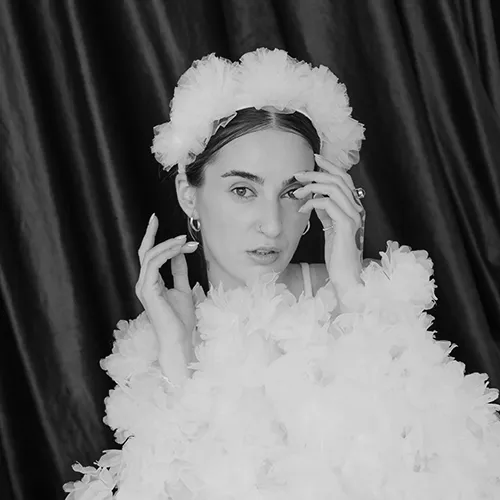
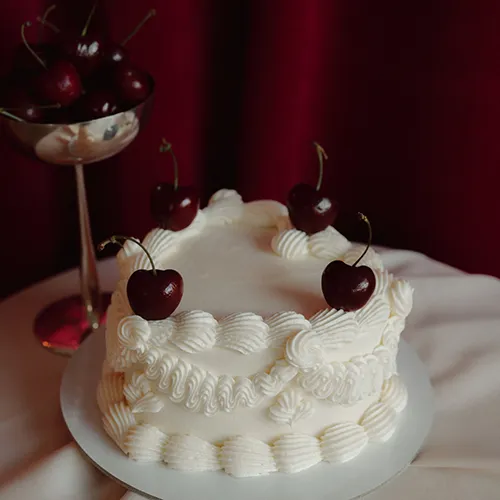
A Fairytale Wedding at Palais Liechtenstein: This wedding inspiration at the garden palace in the 9th district reinterprets the splendor of bygone eras in a contemporary way. The colorful concept surprises with a blend of historic charm and modern ideas, ranging from handmade paper to cake pops.
View Gallery

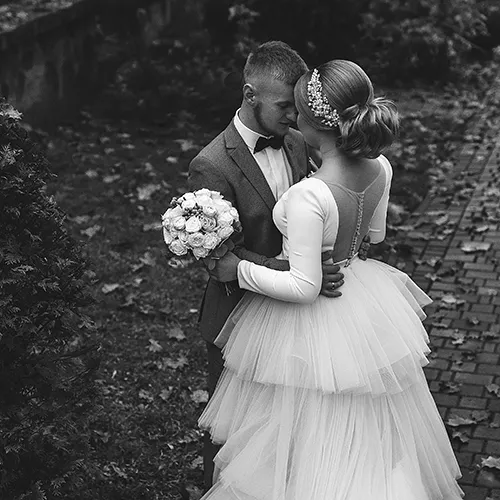
An elegant city mansion, a graceful bride, and a sea of pastel-colored flowers set the scene for this styled shoot. Delicate hues, graceful movements, and stylish wedding details come together to create a soft wedding design full of lightness, timeless elegance, and romantic charm.
View Gallery

The Liechtenstein princely family’s city palace serves as the centerpiece of this inspiration, evoking Baroque splendor, historic grandeur, and eternal love. Beneath stucco ceilings and sweeping chandeliers, surrounded by masterpieces from the princely art collection, an atmospheric wedding design brimming with elegance takes shape.
View Gallery